 MEMBERSHIP LOGIN
Mid-Year Advocacy Update: How PRI's Government Affairs Team Is Protecting the Racing Industry
In January, PRI and SEMA unveiled the 2026 Advocacy Agenda, a roadmap for which issues we would focus for the coming year. Since then, the PRI Government Affairs team has been hard at work at the state and federal levels to advance each of PRI and SEMA’s legislative priorities set at the beginning of the year:
- Protecting Racetracks and the Future of Motorsports
- Preserving Our Automotive Heritage
- Establishing the Right to Modify Vehicles
- Protecting and Expanding Access to Public Lands.
Here’s your mid-year update:
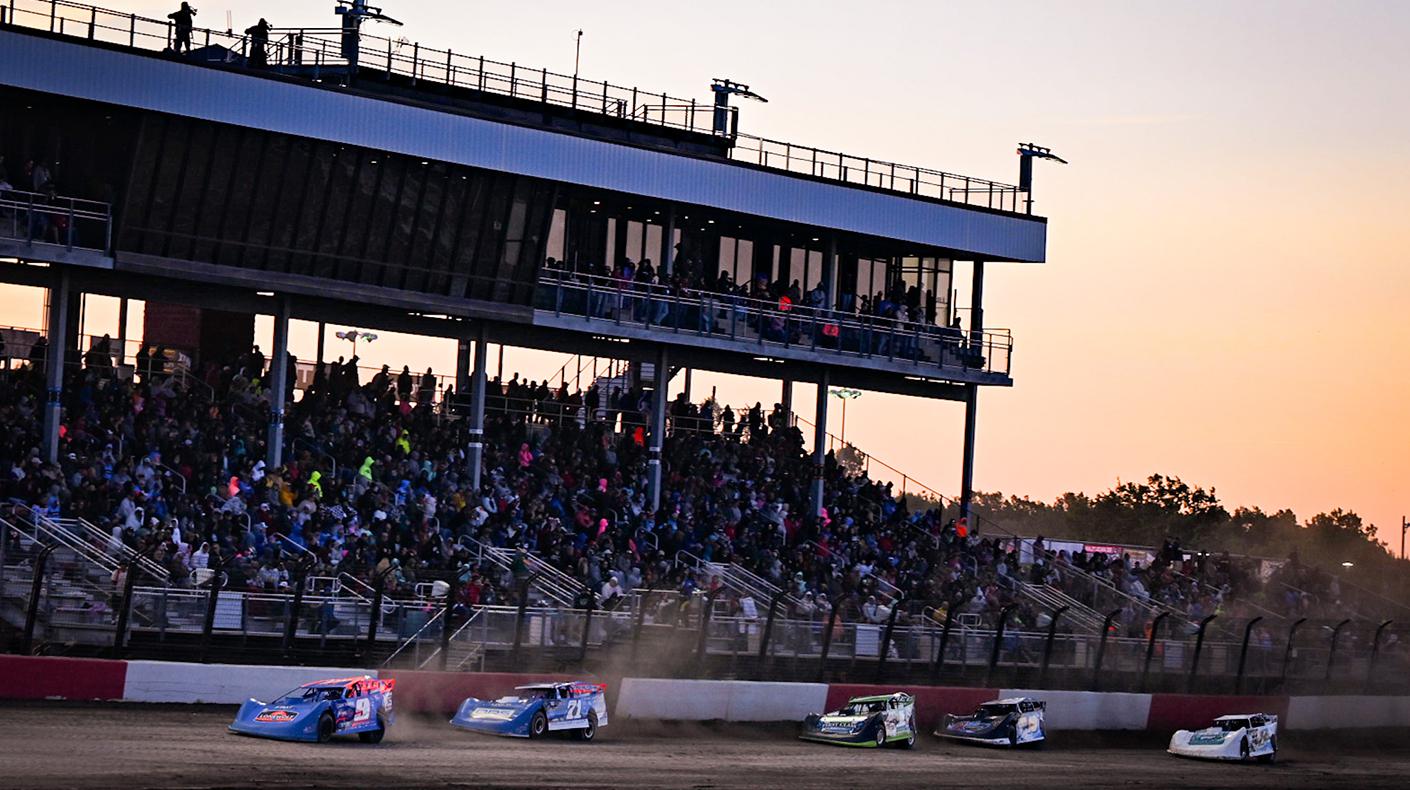
Protecting Racetracks and Future of Motorsports: PRI continues to see success through the state-based Right-to-Race campaign, which protects long-standing racetracks from nuisance complaints and lawsuits brought by individuals who move near existing facilities.
In 2026, Kansas and South Carolina joined Iowa and North Carolina in enacting Right-to-Race legislation, while efforts in Ohio and Michigan continue to advance. These victories help ensure that racetracks can continue serving as important economic drivers, tourism destinations and community gathering places for generations to come without the threat of nuisance claims that seek to restrict lawful operations.
One setback occurred in Wisconsin, where Right-to-Race legislation received overwhelming bipartisan support in the state legislature but was ultimately vetoed by Governor Tony Evers.
At the federal level, momentum continues to build behind legislation aimed at providing tax certainty for small and local racetracks. While a clear path forward has yet to emerge, there remains optimism that motorsports-related tax provisions could be included in a broader year-end tax package.
Preserving Our Automotive Heritage: In California, PRI and SEMA have again built strong support for Leno’s Law, and are again making significant progress. If enacted, Leno's Law would exempt qualifying collector vehicles from California's smog check requirements, helping preserve and keep eligible classic vehicles street legal. Right now, Leno’s Law has advanced out of the California Assembly Transportation Committee and awaits action in the Assembly Appropriations Committee.
Establishing the Right to Modify Vehicles: Federal efforts to protect the Right to Modify are making significant progress, with the U.S. House Energy & Commerce Committee passing the “ADAS Functionality and Integrity Act” as part of the automotive safety provisions in the highway bill. The next step is for the U.S. House of Representatives to hold a vote on the highway bill. This legislation is an important initial step toward protecting enthusiasts’ vehicle ownership rights by ensuring vehicles with advanced safety systems can be modified without compromising the functionality of these critical safety systems.
Protecting and Expanding Access to Public Lands: PEI, SEMA and its ORBA subsidiary are leading efforts to protect and expand access to public lands. PRI, SEMA and ORBA are backing Outdoor Americans with Disabilities Act (S. 2968 & H.R. 9221), which would help to expand and protect motorized access to public lands for Americans with disabilities. President Trump signed a proclamation in July that directs expanded recreational access at the Bears Ears and Grand Staircase-Escalante national monuments, and the San Rafael Swell and Desert both in Utah. Finally, the organizations are pushing to advance the Public Lands Access Restoration Act (PLARA) (H.R. 7979), which would keep existing roads and trails open for off-road vehicles.
At the state level, PRI, SEMA and ORBA are at the forefront of efforts to prevent new burdens on off-road enthusiasts, including proposing new training requirements for OHV use in California.
Playing Defense: In addition to advancing proactive legislation, SEMA is playing defense at the state and federal levels against legislation and regulations that could negatively impact automotive enthusiasts and the aftermarket industry. Washington considered legislation that would have banned tires containing 6PPD, but the proposal was defeated following opposition from SEMA members, industry coalitions and automotive enthusiasts. In California, the California Energy Commission is continuing to develop replacement-tire efficiency regulations under authority granted by a 2003 law. That regulatory process remains ongoing.
Defending the Aftermarket: In a monumental development for our industry, the SEMA Garage’s SEMA Certified-Emissions program has been officially recognized by the U.S.EPA as a valid pathway to demonstrate emissions compliance in 49 states. This milestone represents decades of research, relationships, and investments. With the SEMA Certified-Emissions Program earning EPA recognition, it will be quicker and easier for aftermarket manufacturers to be able to demonstrate emissions compliance and get to market quicker.
In California, a SEMA-sponsored bill (SB 1069) to reform CARB’s Executive Order process continues to advance through the legislature with bipartisan support. The bill would create a conditional approval pathway that would allow qualifying aftermarket emissions-related products to be sold, advertised and installed while CARB completes its final review.
Advocating for the Industry in D.C. and Sacramento: SEMA held two successful advocacy days in the first half of 2026, including in D.C. and Sacramento, Calif. This year’s Washington Rally was the organization’s biggest-ever, with more than 100 members and automotive content creators in D.C. to elevate the voices of the automotive aftermarket on the issues that matter most to you. And our annual California Rally was an equally successful event, with SEMA members putting a face to the issues that impact the aftermarket.
What’s Next?
The midterm election is kicking into high gear – stay tuned for big announcements on how SEMA is going to mobilize voters across the nation to elect candidates who will protect the aftermarket.
Image courtesy of World Racing Group | Emily Scwanke